

Introduction:
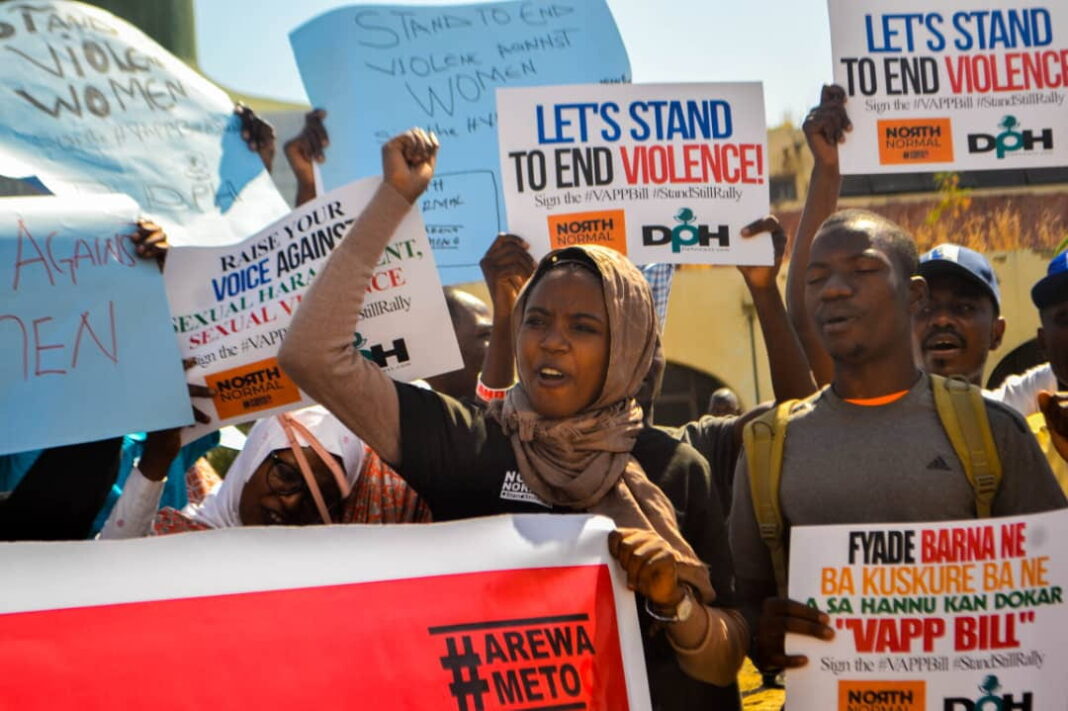
Decades of religious tensions and conflicts have plagued Nigeria’s Northern Region, where Muslim and Christian communities coexist amidst political, social, and economic complexities. This discord has escalated into violence, causing loss of life and suffering. Amidst these challenges, religious activism emerges as a potent avenue for fostering peace and harmony in the region. This essay delves into the concept of religious activism, its significance, and strategies for cultivating peace in Nigeria’s Northern Region.
Historical and Contemporary Context:
Since the 1970s, Nigeria has witnessed an upsurge in Islamic and Christian religious revivalism. This resurgence stems from the rejection of traditional religious structures and practices, as well as the increasing politicisation of religion in the quest for political and economic influence. Notably, Sani Yerima’s declaration of full Sharia implementation in Zamfara state set a precedent followed by eleven other northern states.
During this period, debates surrounding ethnic, religious, and national identities intensified, intertwining religion with politics and economics. This created a turbulent climate characterised by disputes over religious authority, Islamic orthodoxy, and the nature of religious ideology. Unfortunately, religion in contemporary Nigeria is often manipulated for personal gain, leading to misinterpretation and exploitation.
Religion in northern Nigeria has been somewhat reduced to an identity marker, rather than a repository of values. However, this religious identity has not yielded noteworthy achievements for the region. Religious activism within the Northern political class has been deeply entrenched, driven by the political elite’s lack of proper education. The manipulation of religion by the dominant hegemony has led the masses to be uninformed, hindering their understanding of the state’s complex dynamics. This manipulation has created a commonality between contradictory economic and political elements within the northern social framework.
The North’s high poverty levels, unemployment, illiteracy, and corruption among public servants, both at federal and local levels, have left its youth susceptible to recruitment, brainwashing, and exploitation. Many northern youths, lacking comprehensive Islamic knowledge and values, associate religion with symbolism and identity. Consequently, some adopt the role of religious activists, though not grounded in authentic religious understanding.
Understanding Religious Activism:
Religious activism surpasses simple action for a cause; it necessitates reflection and praxis – both contemplation and action. It involves individuals, groups, or organizations from diverse faith backgrounds coming together to address societal issues, foster understanding, and promote peace. Religious values and teachings are central to this form of activism, fostering cooperation and respect among diverse communities. The focus transcends religious differences to work towards a shared objective of peace and stability.
Importance of Religious Activism for Peace:
1. Bridge Building: Religious activists act as mediators, facilitating dialogues between different religious groups. They create platforms for respectful discussions, fostering understanding and reconciliation.
2. Countering Extremism: Extremist ideologies exploit religious tensions. Religious activism counters these narratives by promoting moderate and inclusive interpretations of religious teachings.
3. Community Engagement: Activists engage communities affected by conflicts. Understanding local grievances helps address underlying issues and suggest solutions.
4. Social Cohesion: Collaboration among individuals from different faith backgrounds fosters social cohesion and unity, presenting diversity as a strength rather than a division.
Strategies for Religious Activism for Peace:
1. Interfaith Dialogue: Organising interfaith dialogues fosters trust between religious leaders and community members. Such discussions promote shared values and dispel misconceptions
2. Education and Awareness: Peace education programs combat stereotypes and misinformation. Schools, places of worship, and community centres can be venues for such initiatives.
3. Humanitarian Initiatives: Religious activists can join forces for humanitarian efforts in affected communities, transcending religious differences to demonstrate solidarity and compassion.
4. Advocacy for Policy Changes: Activists can push for policies addressing root causes of conflict and discrimination, collaborating with governments and international bodies for equitable solutions.
5. Grassroots Initiatives: Mobilizing communities through workshops, seminars, and community-led projects empower individuals to lead peacebuilding efforts locally.
Challenges and the Way Forward:
Religious activism for peace encounters challenges rooted in historical grievances, political manipulation, and external influences. Some religious leaders may resist change due to potential loss of control. To overcome these hurdles, sustained efforts are essential. Governments, civil society, and international organizations must support religious activists, recognising and rewarding initiatives that promote interfaith understanding and peacebuilding.
Conclusion:
Religious activism in Nigeria’s Northern Region holds the promise of a future free from violence and discord. By fostering dialogue, building bridges, and promoting cooperation, religious activists can transform conflicts into mutual understanding. As individuals from diverse faith backgrounds unite for a common purpose, the path to lasting peace and reconciliation becomes attainable. Embracing religious activism as a potent tool can pave the way towards a more harmonious and inclusive society in Nigeria’s Northern Region and beyond.
Recommended Reading
1. “Religion, Politics, and Governance in Nigeria” by Oluwakemi O. Balogun and Toyin Falola, This book explores the intricate relationship between religion, politics, and governance in Nigeria, shedding light on the historical and contemporary dynamics that shape religious activism and its impact on peace in the Northern Region.
2. “Religious Pluralism, State and Society in Nigeria”, edited by Louis Brenner, This collection of essays examines the challenges of religious pluralism and its implications for the state and society in Nigeria. It provides insights into the role of religious activism in promoting peaceful coexistence and social harmony.
3. “Religious Conflict and Violence: Implications for Religion and Peacebuilding in Nigeria”, by Olufemi Vaughan, This book delves into the complexities of religious conflict and violence in Nigeria, including the Northern Region. It analyzes the role of religious leaders, activists, and communities in contributing to peace and mitigating conflict.
4. “Interreligious Mediation in Africa”, edited by Franz-Josef Eilers and Rashied Omar, Focusing on interreligious mediation, this book offers case studies and insights from various African contexts, including Nigeria. It provides practical examples of how religious activists can play a crucial role in conflict resolution and peacebuilding.
5. “Religious Freedom in Nigeria: The Options and the Challenges”, by Isaac Terwase Sampson, This work discusses the challenges and options for promoting religious freedom in Nigeria. It touches on the efforts of religious activists in advocating for tolerance, understanding, and peaceful coexistence in the country.
6. “Engaging Religious Communities for Peace and Justice”, by David Steele and Tom G. Jones, While not specific to Nigeria, this book provides a global perspective on engaging religious communities for peace and justice. It offers insights into effective strategies for mobilising religious activists and fostering interfaith dialogue.
7. “Faith, Secularism, and Humanitarian Engagement: Finding the Place of Religion in the Support of Displaced Communities”, by Alastair Ager, This book explores the role of faith-based organisations and religious actors in humanitarian engagement, which is relevant to understanding how religious activism contributes to peace and stability in conflict-affected regions.
8. “Peacemakers in Action: Profiles of Religion in Conflict Resolution”, edited by David Little, This compilation features stories of individuals and groups who use their religious identity and activism for conflict resolution. While not specific to Nigeria, the narratives provide inspiration and insights for religious activists in various contexts.
These readings cover a range of topics related to religious activism, conflict resolution, and peacebuilding, offering diverse perspectives and approaches to promoting peace in Nigeria’s Northern Region.
Authors
Prince Charles Dickson is an alumnus of the University of Jos and the prestigious Humanitarian Academy at Harvard and the University of Texas at Austin. He holds a doctorate in Psychology (Policy & Human Development) from the Jesuit-run Georgetown University, Washington DC.
By Sumayya Abubakar
Mrs. Abubakar is a development worker, she is an educationist, and peace builder. She is the lead of Plateau-based Muryar Fulani Peace Initiative Network Inc. She runs a school system for marginalised populations in Plateau state.